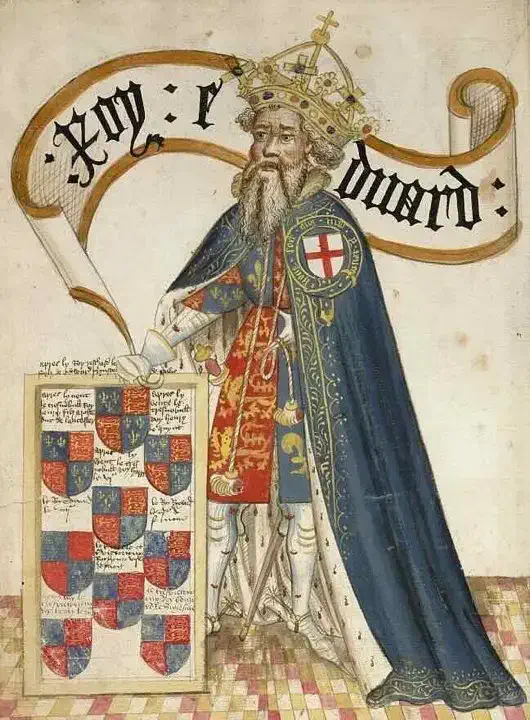
Edward III, on Attaining His Majority, Executes Mortimer on This Date and Banishes His Own Mother, Isabella
November 29, 1330

Edward III (13 November 1312 – 21 June 1377), also known as Edward of Windsor before his accession, was King of England …
Explore the Celtic world
Recent additions and updates to the Celtic history archive.
November 29, 1330
Edward III (13 November 1312 – 21 June 1377), also known as Edward of Windsor before his accession, was King of England …
June 18, 1329
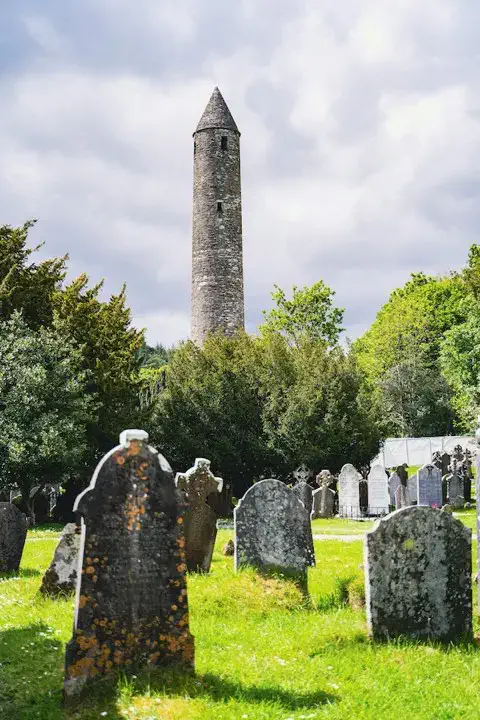
The Bishop of Ossory was accused of inciting feuds among local magnates—a serious charge of meddling in regional power …
June 7, 1329
Robert I, (Roibert a Briuis in medieval Gaelic, Raibeart Bruis in modern Scottish Gaelic and Robert de Brus or Robert de …
April 1, 1329
The year 1329 marked the beginning of a tumultuous period in Ireland’s medieval history, characterized by a series …
July 16, 1328
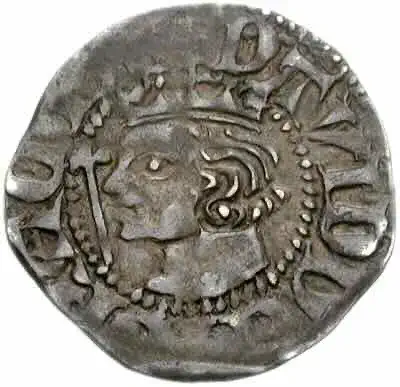
David II (5 March 1324 – 22 February 1371) was King of Scots from 1329 until his death in 1371. Upon the death of his …
March 17, 1328
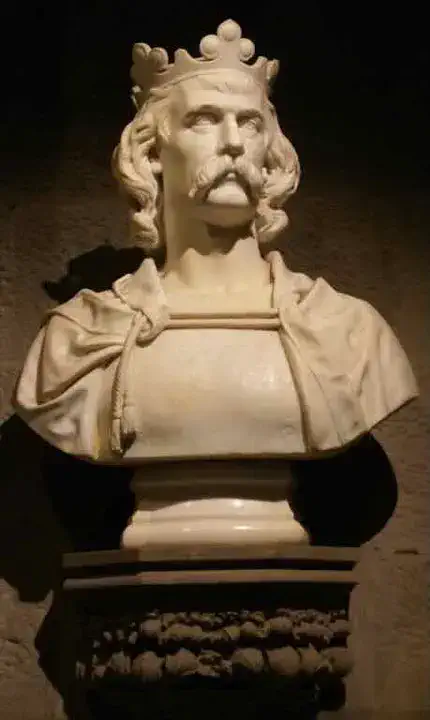
The Treaty of Edinburgh–Northampton was a peace treaty signed in 1328 between the Kingdoms of England and Scotland. It …
September 21, 1327
King Edward II of England died , succeeded by Edward III. This September 21, 1327 entry records a moment in Celtic …
January 25, 1327
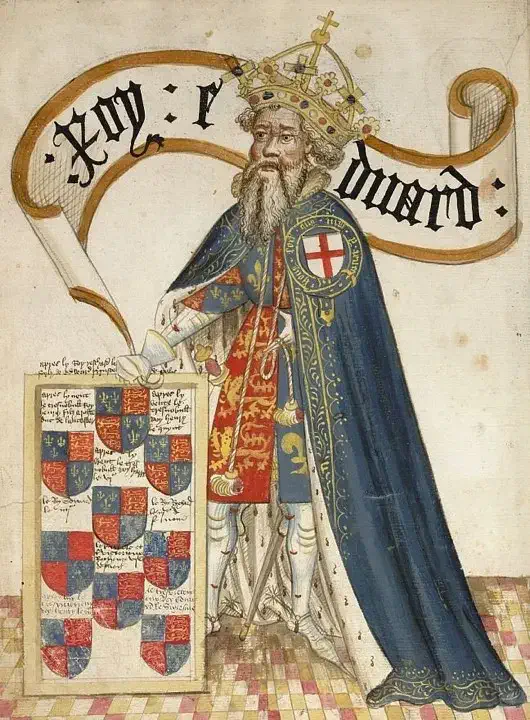
Edward III (13 November 1312 – 21 June 1377), also known as Edward of Windsor before his accession, was King of England …
March 5, 1323
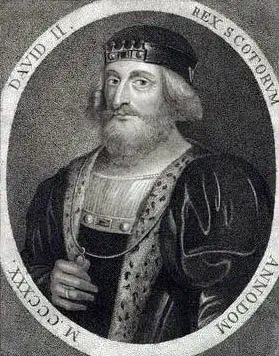
David II (5 March 1324 – 22 February 1371) King of Scots, son of King Robert the Bruce by his second wife, Elizabeth de …
October 14, 1322
After returning from Scotland, Edward and Queen Isabella rested at Rievaulx Abbey in Yorkshire. The Scots were still …
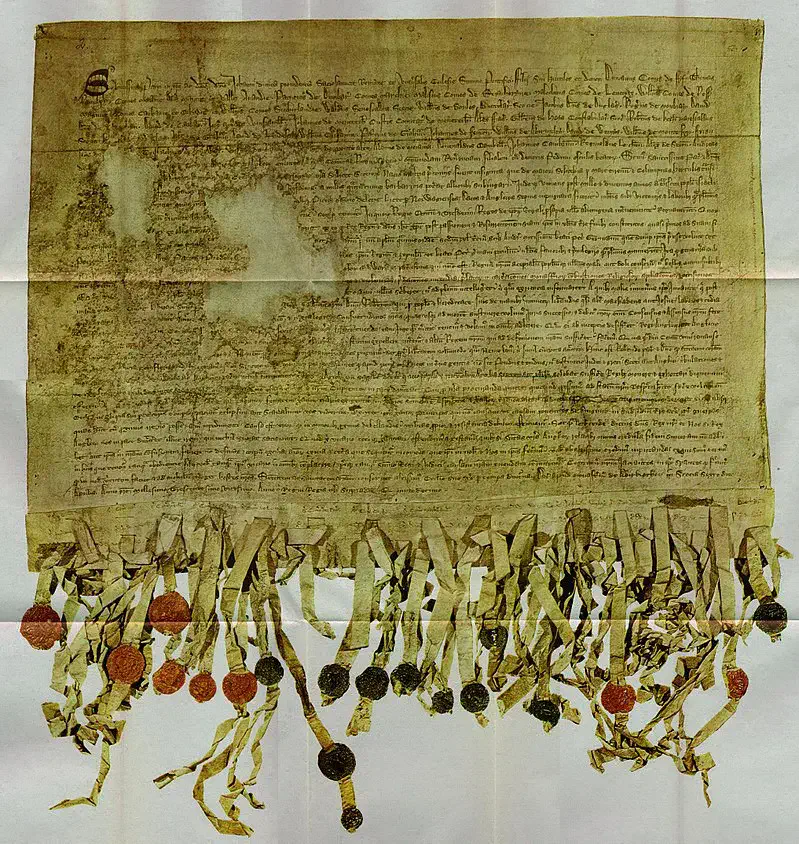
April 6, 1320
The Declaration of Arbroath is the name usually given to a letter, dated 6 April 1320 at Arbroath, written by Scottish …
October 14, 1318
Edward Bruce, brother of Robert the Bruce, killed in a battle near Dundalk, Ireland. This October 14, 1318 entry records …