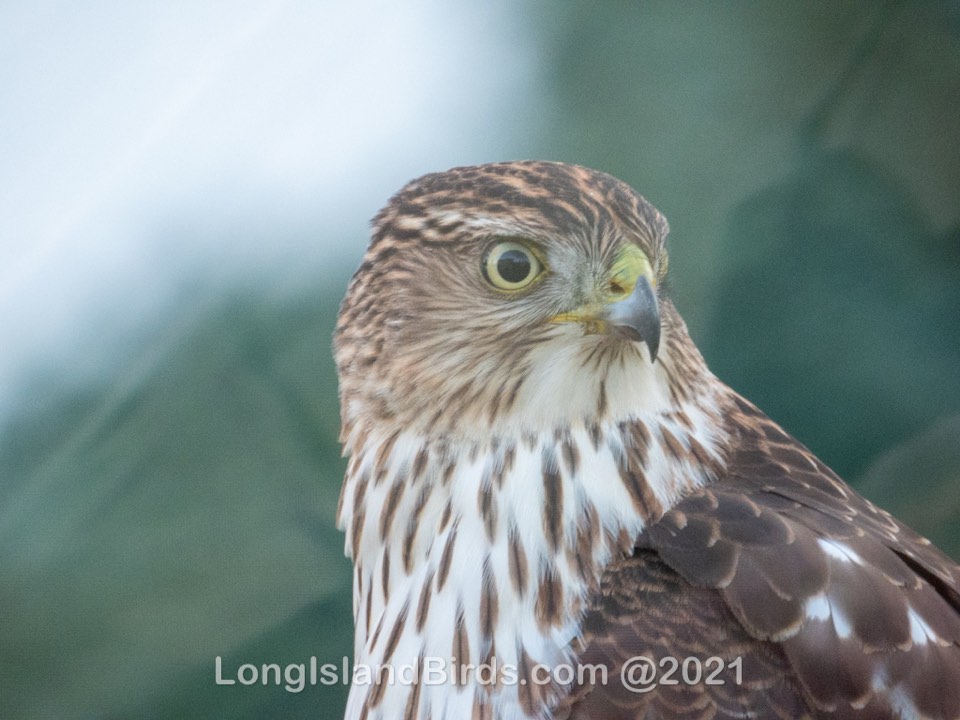
Fall Birding on Long Island
Fall migration overlaps many bird families. Check woodland edges early in the day, scan the coast around favorable tides, and look overhead when winds encourage raptor movement.

Celtic history archive
A practical seasonal calendar for resident birds, migration, nesting, and winter visitors on Long Island.
The island changes bird by bird. Weather can advance or delay movements, so use each seasonal guide as a starting point rather than a fixed timetable.
Fall migration overlaps many bird families. Check woodland edges early in the day, scan the coast around favorable tides, and look overhead when winds encourage raptor movement.
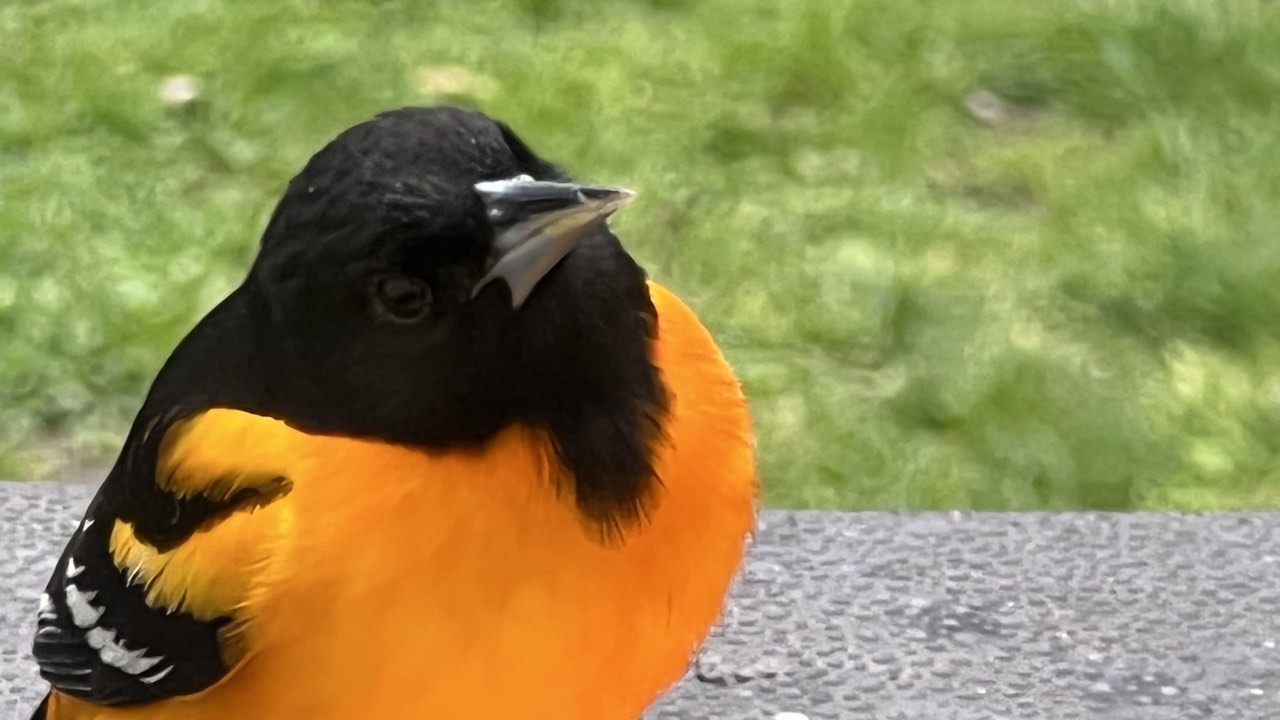
Listen at dawn, scan flowering trees, and revisit the same routes as new migrants arrive. Avoid approaching active nests or using recordings to draw territorial birds closer.
Watch adults carrying food from a respectful distance and keep pets away from fledglings. Along the shore, honor closures and symbolic fencing around nesting colonies.

Bundle up and favor sheltered viewing points. Coastal waters hold birds that may be absent in summer, while backyard feeders make daily patterns easier to learn.