Backyard Habitat
Backyards support birds best when they offer layers: canopy, shrubs, ground cover, water, and a dependable place to shelter. Feeders can complement that structure when they are …

Celtic history archive
Learn how Long Island's gardens, woods, wetlands, ponds, and coast shape the birds you can find.
Habitat is often the fastest path to identification. Start with where a bird is feeding, resting, or calling, then narrow the possibilities by size, shape, movement, and season.
Backyards support birds best when they offer layers: canopy, shrubs, ground cover, water, and a dependable place to shelter. Feeders can complement that structure when they are …

Keep distance from nesting areas and high-tide roosts. Birds forced to flush repeatedly lose feeding and resting time, particularly during migration.
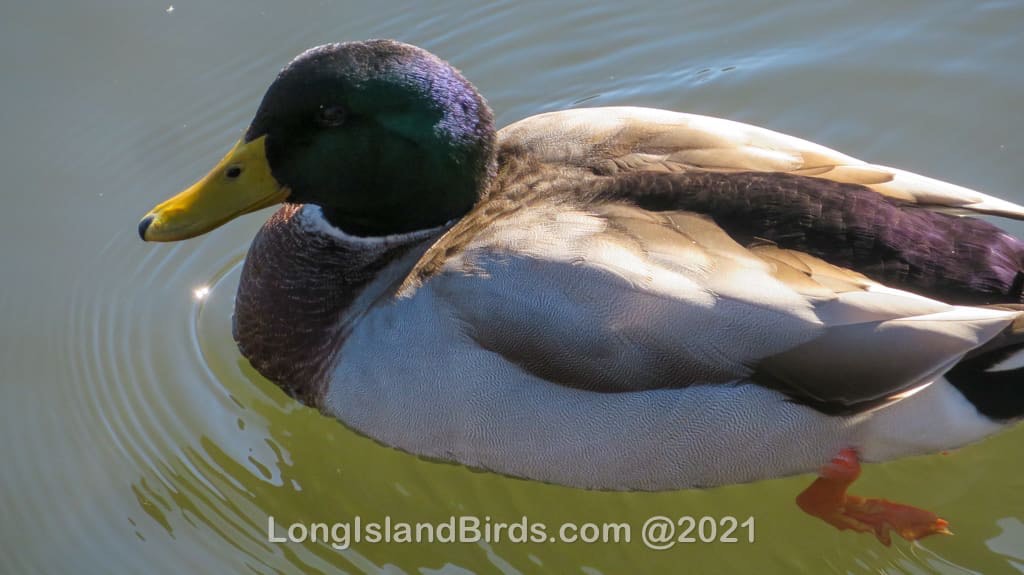
Scan open water first, then work slowly around vegetated edges. Reflections can hide resting ducks, while overhanging branches often hold kingfishers and songbirds.

Watch creek edges, exposed mud, and low perches. Tides continually redraw the feeding areas, while wind and light can change visibility in minutes.
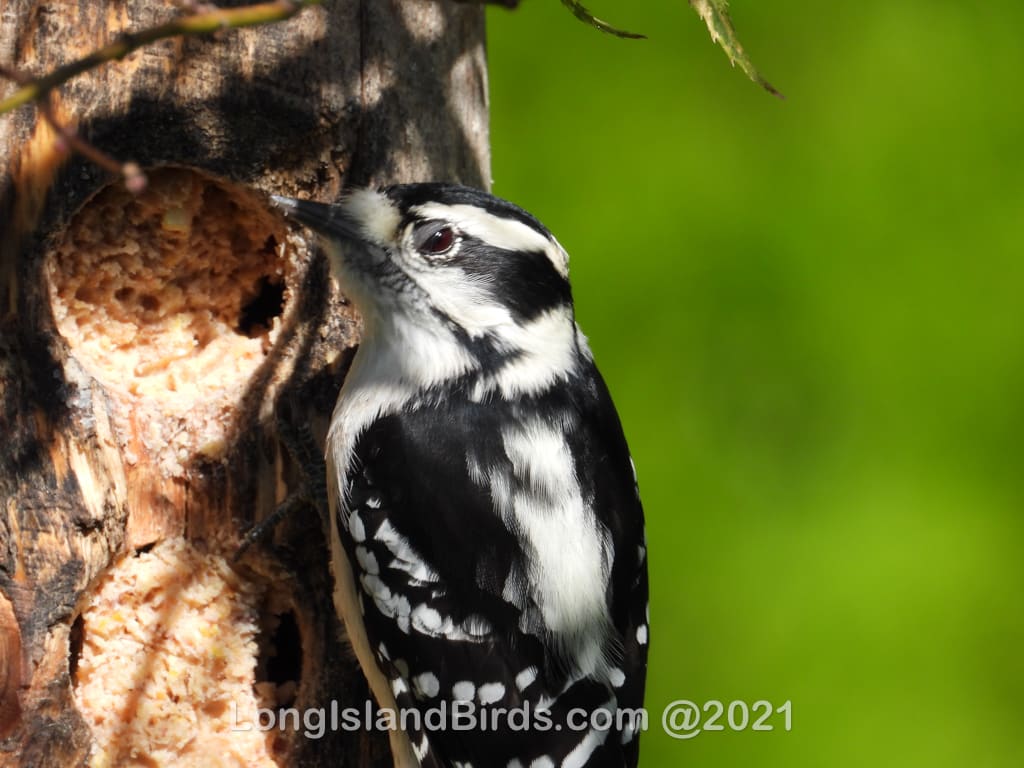
Listen before walking. Woodpeckers advertise themselves by tapping, wrens call from tangles, and migrating songbirds often move in mixed flocks through the canopy.