

August 29, 1729
Birth of David La Touche, Banking Magnate and MP
Birth of David La Touche, banking magnate and MP. This August 29, 1729 entry records a moment in Celtic history connected with Ireland.

Explore the Celtic world
August 29, 1729
Birth of David La Touche, banking magnate and MP. This August 29, 1729 entry records a moment in Celtic history connected with Ireland.
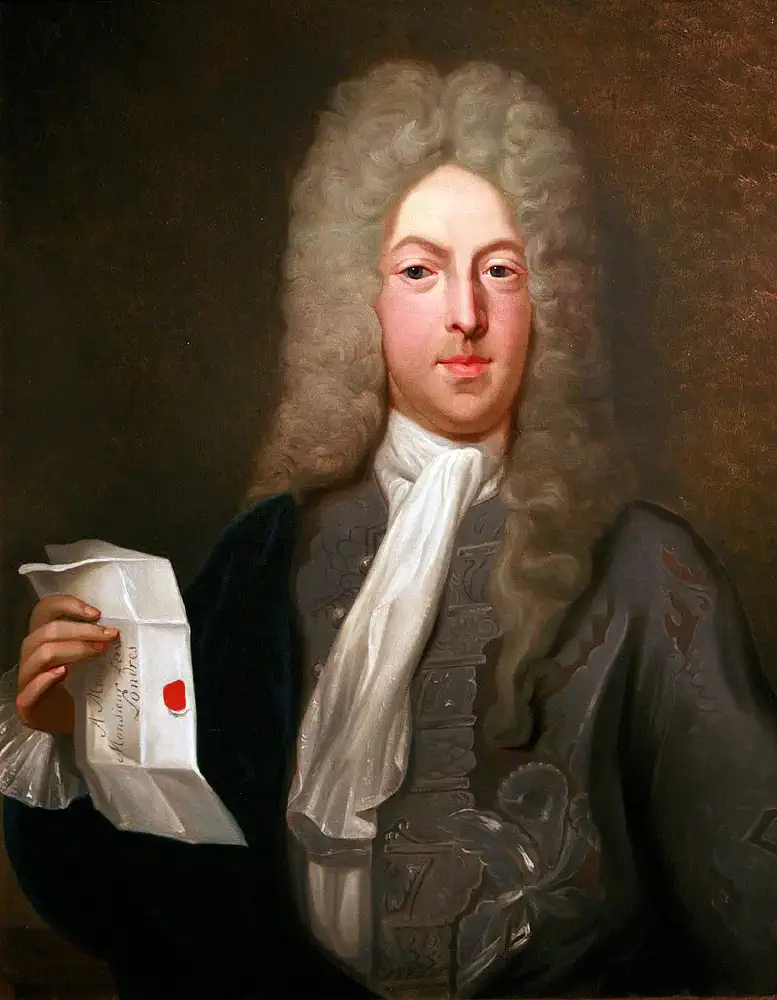
March 20, 1729
John Law (21 April 1671 – 21 March 1729) was a Scottish-French economist who distinguished money, a means of exchange, from national wealth dependent on trade. He served as Controller General of Finances under the Duke …
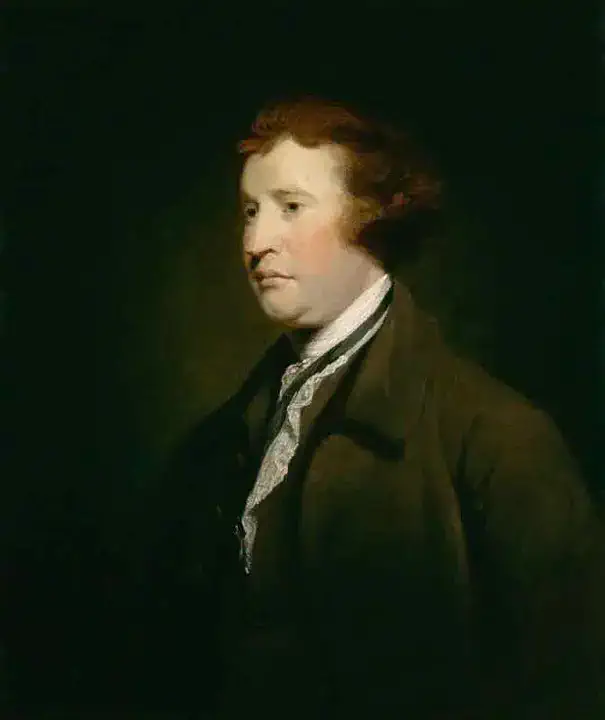
January 12, 1729
The Right Honourable Edmund Burke, the prominent Irish statesman, philosopher, and political theorist, was born on January 12, 1729, in Dublin, Ireland. He is widely regarded as one of the most influential figures in the …
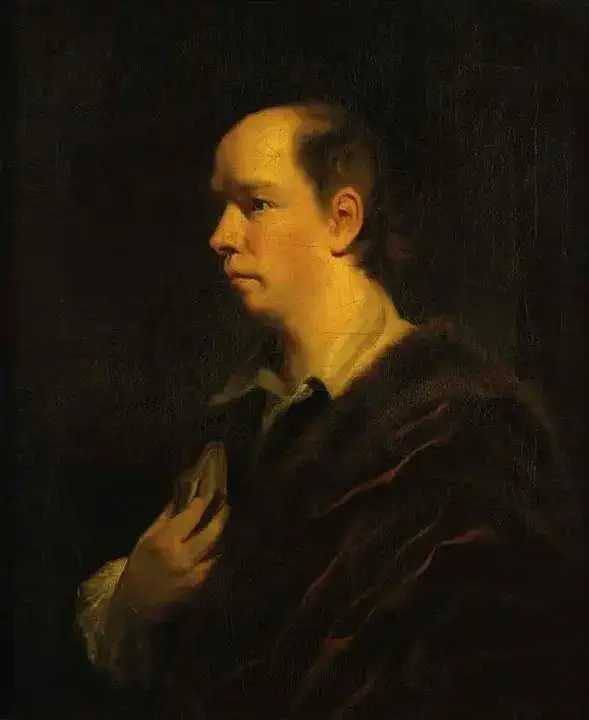
November 10, 1728
Oliver Goldsmith (10 November 1728 – 4 April 1774) was a well-known Anglo-Irish novelist, playwright, dramatist and poet, who is noted for his novel The Vicar of Wakefield (1766), his pastoral poem The Deserted Village …
October 27, 1728
James Cook, circum-navigator of the globe, born to Scottish parents in Yorkshire. This October 27, 1728 entry records a moment in Celtic history connected with England and Ireland.
September 21, 1728
Philip Embury, founder of the American Methodist Church, is born in Ballingrane, Co. Limerick. This September 21, 1728 entry records a moment in Celtic history connected with Ireland.
August 18, 1728
James Caulfeild, 4th Viscount and 1st Earl of Charlemont; soldier and nationalist, is born in Dublin. This August 18, 1728 entry records a moment in Celtic history connected with Ireland.
May 6, 1728
Act of Parliament removes the right to vote from Catholics. This May 6, 1728 entry records a moment in Celtic history connected with Ireland.
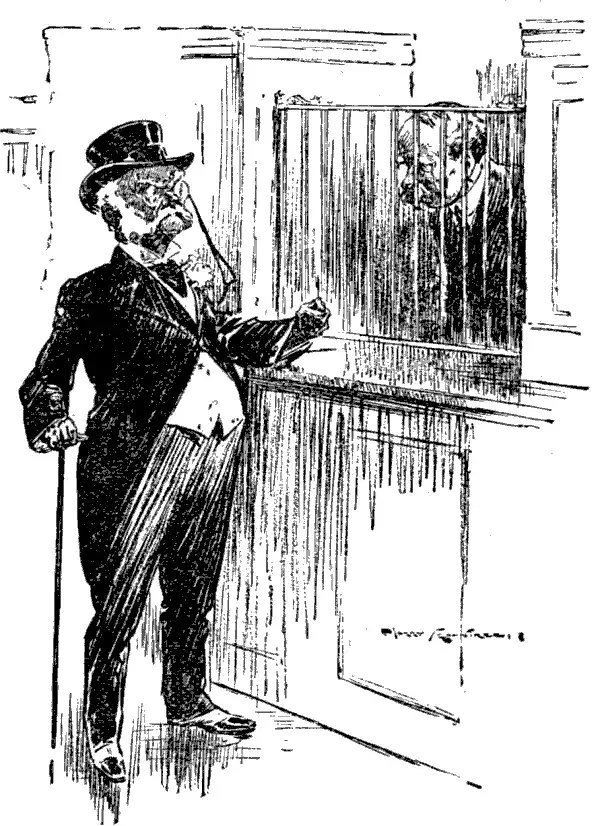
April 30, 1728
An overdraft occurs when something is withdrawn in excess of what is in a current account. For financial systems, this can be funds in a bank account. In these situations the account is said to be “overdrawn”. In the …