
June 29, 1820
The Dublin Society Becomes the Royal Dublin Society
The Dublin Society becomes the Royal Dublin Society. This June 29, 1820 entry records a moment in Celtic history connected with Ireland.

Explore the Celtic world
June 29, 1820
The Dublin Society becomes the Royal Dublin Society. This June 29, 1820 entry records a moment in Celtic history connected with Ireland.
June 29, 1820
Robert Jocelyn, 2nd Earl of Roden, a prominent Unionist politician and leader in the Orange Order, was allegedly involved in leading an attack on Catholic homes in Dundalk, County Louth. This event, rooted in the deeply …
June 19, 1820
The Dublin Society for Improving Husbandry, which was originally founded on June 25 in 1731, becomes the Royal Dublin Society on this date. This June 19, 1820 entry records a moment in Celtic history connected with …
June 4, 1820
Henry Grattan, the driving force behind the independent Irish Parliament at College Green before its dissolution by the Act of Union, dies. Despite his expressed wishes, he is buried in Westminster Abbey.
May 6, 1820
Robert O’Hara Burke, explorer, born in St. Cleran’s, Co. Galway. This May 6, 1820 entry records a moment in Celtic history connected with Ireland.
April 5, 1820
The Radical War, also known as the Scottish Insurrection of 1820, was a week of strikes and unrest, a culmination of Radical demands for reform in the United Kingdom which had become prominent in the early years of the …
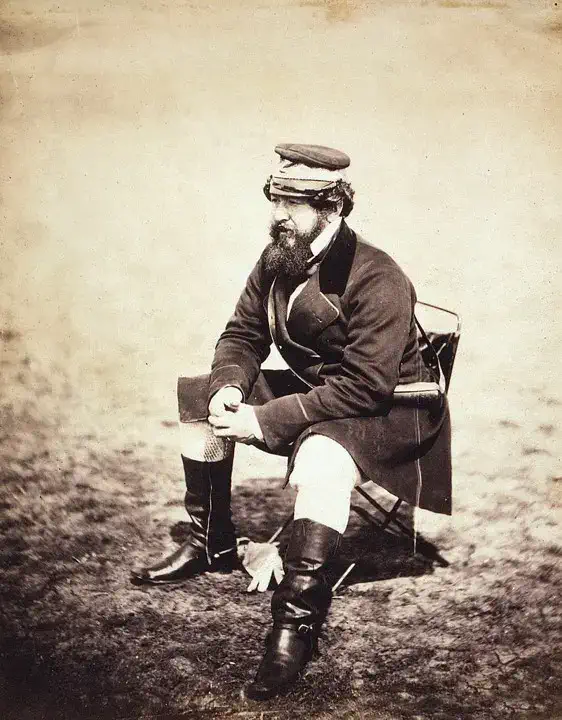
March 28, 1820
Sir William Howard Russell, CVO (28 March 1827 – 10 February 1907) was an Irish reporter with The Times, and is considered to have been one of the first modern war correspondents. He spent 22 months covering the Crimean …
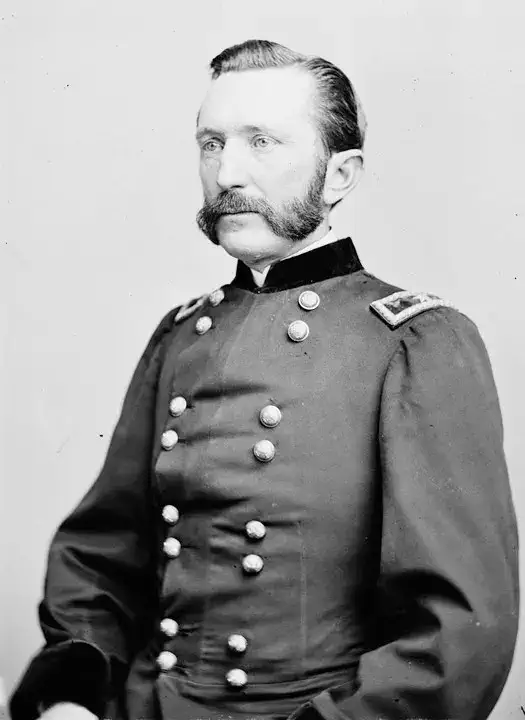
March 17, 1820
Patrick Edward Connor (March 17, 1820 – December 17, 1891) was an Irish American soldier who served as a Union general during the American Civil War. He is most notorious for his massacres against Native Americans during …
February 13, 1820
Leonard McNally, lawyer and English informer, dies. This February 13, 1820 entry records a moment in Celtic history connected with England.
February 12, 1820
The 1820 settlers of Cape Colony, leaves Cork on The ships East Indian & Fanny. This February 12, 1820 entry records a moment in Celtic history connected with Ireland.