Today in Celtic History
Unveiling the Mysteries of the Ancient Celts: Daily Discoveries and Celebrations.
April 04



Celtic History
- April 04, 1818 - Mayne Reid, pseudonym of Thomas Mayne; soldier, journalist, and writer of boys stories, is born - Go
- April 04, 1774 - Oliver Goldsmith, Irish author of Deserted Village died. - Go
- April 04, 1689 - Scottish Parliament declared that James VII had forfeited the Scottish throne. - Go
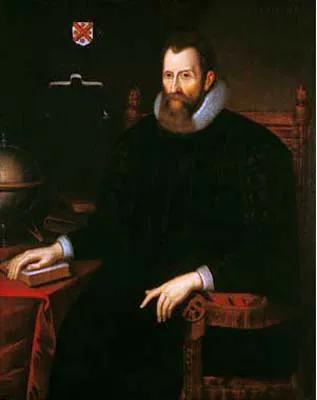
- April 04, 1617 - John Napier, inventor of logarithms, died in Edinburgh. - Go
- April 04, 1406 - King Robert III died and James I ascended the throne - Go
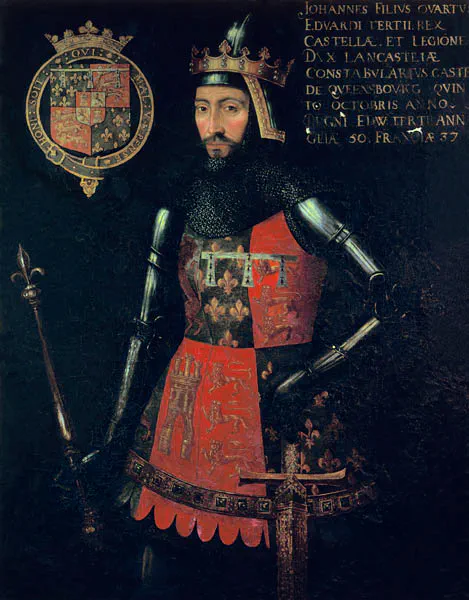
- April 04, 1384 - John of Gaunt, son of Edward III attacks Scotland. - Go
- April 04, 1373 - Parliament held by King Robert II at Scone, resolved that his son, the Earl of Carrick should succeed his father as King - Go
- April 03, 1900 - Queen Victoria arrives at Kingstown for a three-day visit to Ireland - Go
- April 03, 1846 - Death of Michael Moran, aka Zozimus, balladeer and storyteller - Go
- April 03, 1807 - Maurice FitzGerald, MP for Co. Kerry, resigns as Commissioner of the Treasury - Go
- April 03, 1798 - John Banim, writer, is born in Kilkenny - Go
- April 03, 1793 - Dionysius Lardner, scientific writer and lecturer, is born in Dublin - Go
- April 03, 1603 - Banning of the Clan MacGregor by act of James IV of Scotland - Go
- April 02, 1970 - Several days of rioting following Easter rising commemorations in Ireland end on this date - Go
- April 02, 1902 - Premiere of Yeats 'Cathleen ni Houlihan' starring Maud Gonne - Go
- April 02, 1593 - Marischal College, second University in Aberdeen, founded. - Go
- April 1st - Hunt the Gowk, Scottish equivalent of April Fools Day (gowk is a cuckoo) - Go
- April 01, 1935 - Francis Arthur Fahy who wrote the ballad Galway Bay, died - Go
- April 01, 1919 - DeValera is elected president of the first Dáil Éireann - Go
- April 01, 1839 - St. Clair Mulholland, Union Civil War General and Medal of Honor winner, is born in Lisburn, Co. Antrim - Go
- April 01, 1776 - Irish-born Edward Hand is appointed a Brigadier General in the Continental Army - Go
- April 01, 1730 - Samuel Boyse, MP for Bannow, dies as a result of a duel at the age of 33 - Go
- April 01, 1716 - The first Doggett Coat and Badge sculling race takes place on the Thames - Go
- April 01, 1571 - Dumbarton Castle, under siege since January 1570, captured by Captain Thomas Crawford - Go
- April 01, 1401 - Conway Castle taken by Welsh rebels under William and Rhys ap Tudor - Go
- April 01, 1329 - Risings by the native Irish in various parts of Munster and Leinster, continuing into 1330 - Go
- March 31, 1938 - David Steel, (Lord Steel of Aikwood), politician and former leader of the Liberal party, born. - Go
- March 31, 1920 - British parliament accepts Irish Home Rule-law - Go
- March 31, 1901 - A census on this date shows the population of Ireland to be 4,458,775; this is the last census to be taken on the basis of baronies - Go
- March 31, 1871 - Arthur Griffith, founder of Sinn Féin and co-signatory of Anglo-Irish treaty, born - Go
- March 31, 1859 - The independent Irish party splits and the Tenant League breaks up - Go
- March 31, 1855 - Charlotte Bronte, author of Jane Eyre, dies during pregnancy - Go
- March 31, 1711 - Seven women from Island Magee, Co. Antrim are imprisoned and pilloried for bewitching a woman - Go
- March 31, 1652 - Scottish Regalia were saved from Cromwell's invading army after being smuggled from Dunnottar Castle - Go
- March 31, 1295 - Robert Bruce, The Great Competitor and grandfather of King Robert the Bruce, died. - Go
- March 30, 1950 - The actor Robbie Coltrane was born. - Go
- March 30, 1922 - Craig-Collins Pact is signed in London. Irish Free State formally recognizes Northern Ireland government - Go
- March 30, 1920 - Jack White, journalist and author, is born in Cork - Go
- March 30, 1896 - An Irishman wins an Olympic gold medal for the first time, when John Pius Boland triumphs in tennis - Go
- March 30, 1880 - Sean O'Casey, playwright, born in Dublin - Go
- March 30, 1851 - A 1851 census shows the population of Ireland to be 6,552,385, it has declined by one-fifth since 1845 - Go
- March 30, 1850 - The SS Royal Adelaide sinks in a storm with the loss of 200 lives - Go
- March 30, 1824 - Thomas Devin Reilly, journalist and editor, is born in Co. Monaghan - Go
- March 30, 1798 - Privy Council proclaims Ireland in state of rebellion and imposes martial law - Go
- March 30, 1603 - Hugh O'Neill, the Earl of Tyrone, submits to Lord Mountjoy at Mellifont - Go
- March 30, 1493 - Kildare, who has been suspected of supporting Perkin Warbeck, is given a general pardon - Go
- March 30, 1406 - King James I captured by English near Flamborough Head on his way to France - Go
Bagpiper Kevin Grace
Bagpiper in New York and Pike County PA.
I live in Orange county NY, and Pike county PA. I can travel to play anywhere in New York City, Long Island, the Hudson Valley region, Northern New Jersey, Eastern Pennsylvania, and Southern Connecticut. If your event is outside this area, please contact me to discuss the possibility of travel.